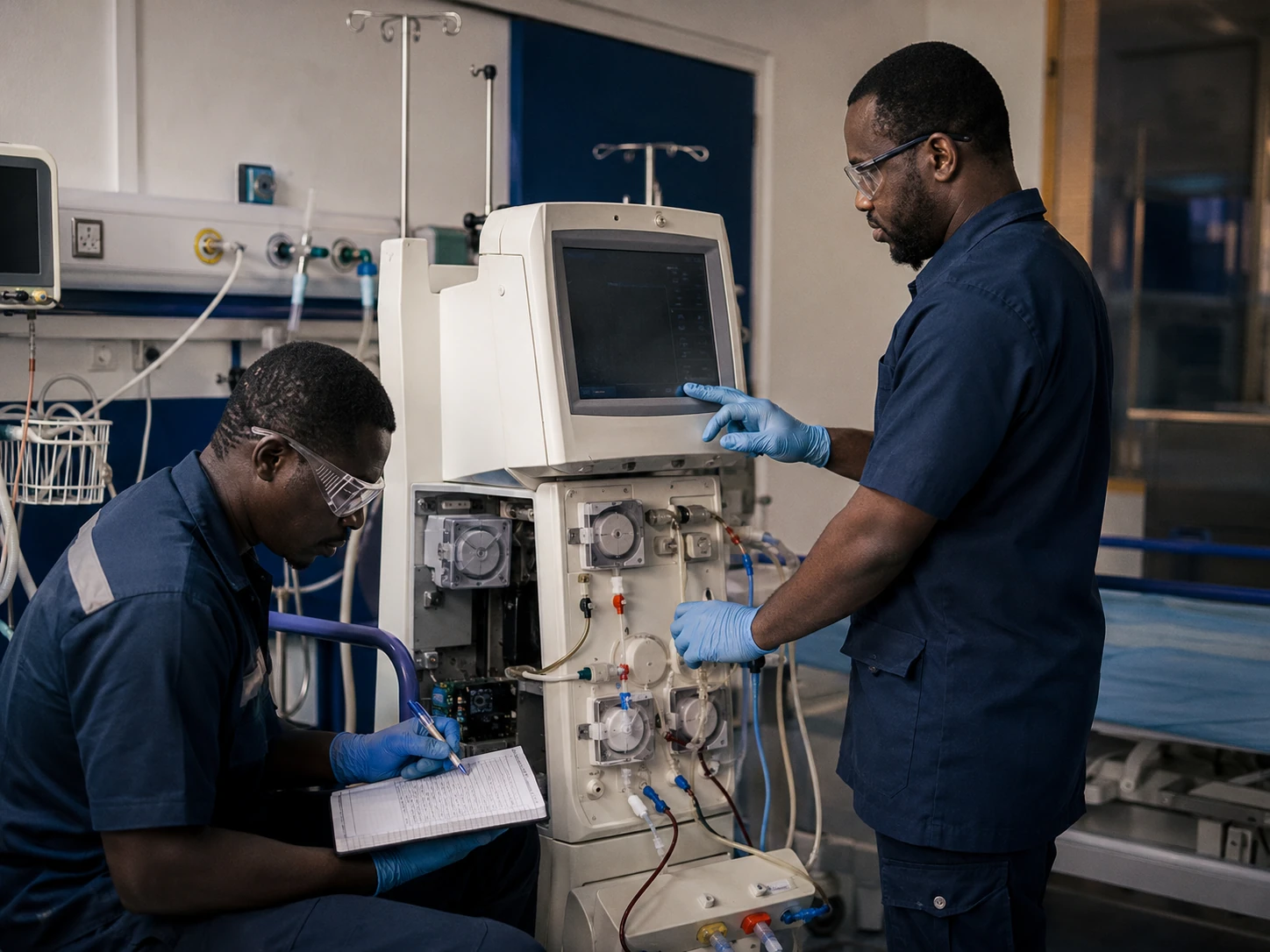
Medical Technology
Equipment is a lifecycle, not a delivery.
Many equipment problems begin with poor planning. Zendale's biomedical engineering team manages the full working life of your equipment, from specification and installation to maintenance and retirement.
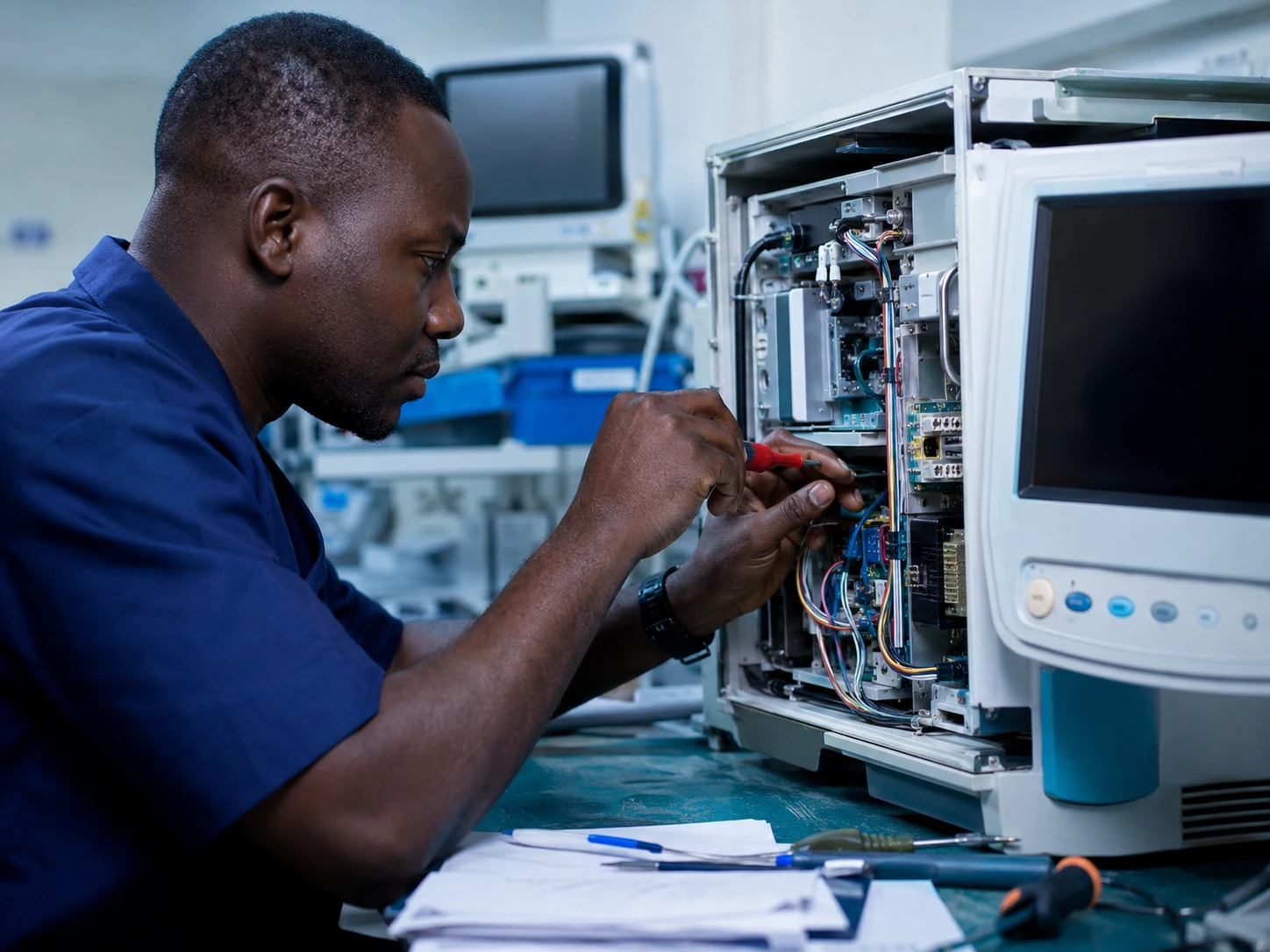
The Lifecycle
Six stages, descending the Z-stroke.
Every engagement can begin at any stage, but the value increases when one team owns all six.
- 01
Procurement
Specification and sourcing are matched to clinical need and budget rather than vendor inventory.
- 02
Installation
Site preparation, installation and commissioning, phased around the clinical schedule.
- 03
Training & Handover
Clinical teams trained before go-live, so equipment enters service already understood.
- 04
Planned Maintenance
Preventive schedules that protect uptime, safety and asset value.
- 05
Repairs
Fault diagnosis and repair are prioritised by clinical impact rather than ticket order.
- 06
Lifecycle Decisions
Asset registers and replacement planning, so end-of-life is a decision, never a surprise.
Biomedical Engineering
The same engineers who keep our ICU running can keep yours running.
Zendale's biomedical engineers support the facilities of the Zendale Healthcare Network every day, including dialysis machines, monitoring systems, endoscopy equipment. That daily operating discipline is what external clients hire: engineers whose maintenance schedules are tested where the stakes are highest.